
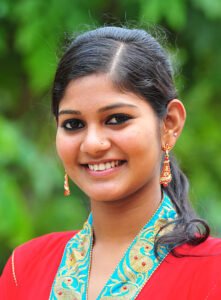
 Mansiya V.P. was born in 1995 in the village of Velluvampuram, nestled in Malappuram district of Kerala, into a family that quietly defied convention from the outset. Her father, Syed Alavikutty, a former theatre artist who had worked abroad in Saudi Arabia before establishing a travel agency at home, and her mother, Amina V.P., a devout yet forward-thinking Muslim, instilled in their daughters an outlook unbound by rigid orthodoxy. Alongside her elder sister Rubiya, Mansiya grew up studying the Quran at a local madrasa while also encountering Hindu and Christian scriptures within the household. Public schooling and exposure to diverse traditions shaped a secular foundation, yet this very openness would invite relentless opposition from conservative quarters of the community.
From the tender age of three, dance entered their lives through Amina’s initiative after she glimpsed a colourful classical performance on television. Enrolled under local guru Sarojini in Manjeri and later refined by masters such as RLV Anand and others, both sisters immersed themselves in Bharatanatyam alongside Kuchipudi, Mohiniyattam, Kerala Nadanam, and Kathakali. The family’s modest means did not deter them; long commutes across districts became routine. School years brought early acclaim: consistent A-grade victories in the Kerala State School Youth Festival from Class 8 to 12, and the prestigious Kalathilakam title twice at the University of Calicut youth festivals during undergraduate studies at NSS College, Manjeri. Academic excellence followed with first rank in an M.A. in Bharatanatyam from the University of Madras, culminating in ongoing doctoral research at the revered Kerala Kalamandalam.
Yet recognition came at a steep price. Orthodox Muslim leaders condemned the “Hindu dances,” branding public performances, costumes, and stage presence as violations of propriety. The family endured isolation—no invitations to social gatherings, withheld financial aid, and threats that escalated into personal attacks. The crisis peaked in 2006 when Amina’s cancer diagnosis met refusal of community endorsement for external support unless the daughters abandoned their art. Her death in 2007 brought further heartbreak: local authorities denied burial in the Muslim cemetery, an event that thrust the young Mansiya into early headlines. These trials, far from deterring her, forged an unyielding resolve. As she later reflected, the obstacles crystallised her determination that dance would define her existence.
Professional ascent proceeded undeterred. Mansiya established the Aagneya School of Dance in Valluvambram around 2016, nurturing approximately 160 students and imparting not only technique but also empowerment to aspiring artists from similar constrained backgrounds. Her repertoire expanded to include innovative fusions blending Bharatanatyam with Sufi rhythms, while she continued to perform at temples and festivals across Kerala. In December 2022, the election to the executive council of the Kerala Sangeetha Nataka Akademi—one of only 26 members—marked formal institutional recognition and provided a platform to champion greater opportunities for young talents.
National prominence arrived in March 2022 when the Koodalmanikyam Temple in Thrissur cancelled her scheduled performance, invoking a tradition that restricted non-Hindus. Mansiya’s measured Facebook response—“Art has no religion”—ignited widespread debate, eliciting solidarity from fellow dancers who boycotted the event in protest. The episode, though painful, paled in comparison to prior hardships; she reiterated that the stage remained her temple and dance her puja. By then, she had already navigated interfaith harmony in her personal sphere, marrying Hindu violinist Shyam Kalyan after meeting him as an accompanist in 2019. The union, blessed by both families, symbolised mutual artistic respect and further underscored her philosophy that belief in God need not align with organised religion.
Today, Mansiya V.P. stands as a beacon of cultural pluralism in contemporary India. Through her teaching, research, choreography, and Akademi advocacy, she preserves classical heritage while dismantling artificial barriers. Her journey—from an ostracised village girl to an acclaimed performer and educator—illustrates how perseverance transforms adversity into a legacy. In an era of division, she affirms that art unites, transcending faith and fostering a truly inclusive cultural landscape. Mansiya’s story continues to inspire, proving that the dancer’s grace can indeed bridge divides once deemed insurmountable.