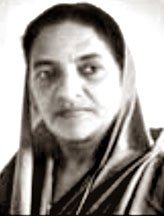
 Ayesha Beebi Mayen was born in 1917 in Thalassery, Kerala, into the Mappila Muslim community. Her father, V. Kunath Mayen—an Islamic scholar and Congress leader—faced conservative backlash for educating his daughters, even earning the slur “Kafir Mayen.” Despite this, Ayesha and her sisters, known as the “Mayin sisters,” became symbols of reform. Ayesha attended Sacred Heart Convent and later Madras University, where she became the first Mappila woman to earn a university degree. This achievement was hailed by community leaders as a milestone for the advancement of Muslim women. After completing a teaching licentiate, she began her career as a sub-inspector of schools, defying social norms by travelling independently and living without male guardianship.
Educational Reform and Literary Activism
Mayen’s professional impact was cemented when she became the officer for Muslim girls’ education in the Madras Educational Service. In this role, she established a network of elementary schools and founded a landmark girls’ secondary school in South Malabar. Beyond administration, Mayen was a potent intellectual voice. In 1938, she published the essay Nammude Kartavyam (“Our Duties”) in Muslim Vanitha, the first Malayalam magazine for Muslim women. The essay outlined the civic and intellectual responsibilities of women in modern India. Her work, later anthologised in feminist histories, is credited, alongside the efforts of editor Haleema Beevi, with creating a model of activism rooted in Islamic values, distinct from the institutional focus of male reformers.
Migration and Political Pioneering in Ceylon
In 1943, Ayesha married M.S.M. Rauf and moved to Colombo. Her commitment to education followed her; in 1947, she founded the Muslim Ladies’ College, the city’s first free, English-medium school for Muslim girls. She served as its principal for over two decades, turning it into a premier national institution. Simultaneously, Ayesha Rauf entered the political arena. She was among the first Muslim women to run for parliament in Ceylon and, in 1949, became the first Muslim woman elected to the Colombo Municipal Council. During her tenure, which included a term as Deputy Mayor, she championed equal pay, public childcare, and the abolition of the dowry system, while also advocating for the rights of the urban poor and Indian plantation workers.
A Legacy Hidden from History
In 1960, a state takeover of her college forced her to choose between her school and her council seat; she chose the school. After retiring in 1970, she spent time teaching in Zambia before returning to Sri Lanka. Despite her death in 1992 and a lifetime of “firsts”—from being the first degreed Mappila woman to a trailblazing deputy mayor—biographers note that Mayen remains largely “hidden from history” in both Kerala and Sri Lanka. Her life stands as a testament to a unique brand of feminist activism that bridged the colonial-era reform movements of South India with the post-independence political landscape of Sri Lanka.