
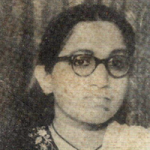
 Iffat Mohani (1934-2005), born Sayyada Khursheed Sultana in Hyderabad, India, was a distinguished and remarkably prolific contemporary Indian Urdu writer and novelist. Her life and work were deeply embedded in a rich literary and intellectual tradition, most notably through her family connection to the celebrated freedom fighter and poet, Hasrat Mohani. This lineage, rooted in the ancestral village of Mohan, known for its literary figures, undoubtedly shaped her artistic consciousness. Her formal education culminated in a Master of Arts degree from Osmania University, providing a strong academic foundation for her extensive literary career.
Iffat Mohani’s contribution to Urdu literature is marked by its sheer volume and diversity. Throughout her career, she authored over 100 novels and poems, establishing herself as one of the most productive writers of her generation. Her extensive bibliography spans multiple genres, including compelling social novels, romantic fiction, and engaging children’s literature. Her work reflects the changing social fabric of post-independence India, exploring complex human emotions and relationships with nuance and depth.
Her major published works have been preserved in significant library collections and digital archives. Notable novels include Gunahgar (1983), Taqdeer (1976), Doraha (1980), Humsafar (1975), and Lubina (1990). These titles suggest a focus on themes of destiny, companionship, sin, and emotional turmoil. In addition to her novels for adults, she made significant contributions to children’s literature with her popular “Nani Amma” series, which includes books like Nani Amma Ne Ding Hanki and Nani Amma Shadi Mein Gayi (1976). This demonstrates her versatility as a writer capable of engaging audiences of all ages.
Works like Chubhan (a romantic novel) and titles that translate to “A Hidden Wound” or “If You Were Faithful” point to an exploration of love, loyalty, and human vulnerability. She channelled her family’s literary heritage, known for its social consciousness, into the realm of fiction, contributing a unique voice to the modern Urdu literary canon.
Iffat Mohani’s legacy is secured not only by the quantity of her output but also by its enduring accessibility. She is recognised as a well-known writer of the South Asian subcontinent, and her books can be found in the Urdu sections of major international libraries, including those in the United States.