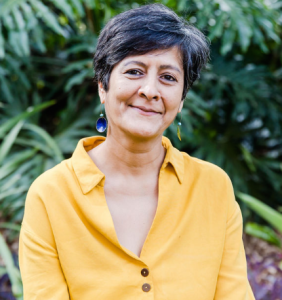
 Masooma Ranalvi is a seminal figure in India’s campaign to eradicate Female Genital Mutilation (FGM), primarily known as the founder of WeSpeakOut, the world’s largest survivor-led organisation dedicated to this cause. Through her persistent and courageous activism, she has successfully transformed a deeply taboo subject within the Dawoodi Bohra Muslim community into a pressing national conversation, advocating for legal and social change on both domestic and international platforms.
Ranalvi’s commitment stems directly from her personal trauma. At seven years old, she was subjected to FGM, known locally as khatna or khafz, an experience that inflicted lasting physical and psychological harm. The event remained a source of buried trauma for decades until she was able to name it in college after learning about similar practices in Africa. This moment of recognition was the catalyst for her future activism. Her resolve was further shaped by her family’s challenging relationship with the Dawoodi Bohra community leadership. Due to her father’s involvement in a reform movement, her family faced excommunication and a social boycott, which gave Ranalvi firsthand insight into the coercive social pressures that silence women and perpetuate harmful traditions.
In 2015, she founded WeSpeakOut, which rapidly evolved into a global platform for survivors. The organisation’s early successes included a Change.org petition demanding a ban on FGM in India, which garnered over 200,000 signatures. A cornerstone of Ranalvi’s advocacy has been evidence-based research. In 2018, WeSpeakOut published a groundbreaking study, “The Clitoral Hood: A Contested Site,” which revealed a 75% prevalence rate of FGM among daughters in the Bohra community. The study meticulously documented the practice’s severe consequences, with nearly all respondents recalling the experience as painful and many reporting long-term negative impacts on their sexual health, urinary issues, and significant psychological distress, including anxiety, shame, and depression.
Armed with a law degree and prestigious fellowships, including from Chevening and the Aspen Institute, Ranalvi has pursued a multi-pronged strategy. She has been a key intervenor in the Supreme Court of India case Sunita Tiwari v Union of India, arguing that FGM is a gross violation of fundamental constitutional rights to life, liberty, and equality. Her advocacy has also had a significant international impact, challenging the misconception that FGM is confined to Africa. Her work contributed to a major milestone in 2022 when, at the UN Human Rights Council, Costa Rica officially recommended that India adopt the WHO’s definition of FGM and create a national plan to eliminate it.
Despite facing considerable backlash from community hardliners and resistance from government bodies that have historically denied the existence of FGM in India, Ranalvi continues her work relentlessly. Her vision extends beyond a legal ban to encompass comprehensive community transformation through education and the establishment of robust medical, legal, and psychological support systems for survivors. Masooma Ranalvi’s legacy is one of courageously breaking a powerful silence, empowering thousands of survivors to share their stories, and fundamentally altering the global landscape of advocacy against gender-based violence.