
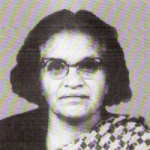
 Syeda Farhat, born Karamat Fatima on April 1, 1938, in Bhopal, Madhya Pradesh, was a distinguished Urdu poet and author who made significant contributions to Urdu literature. She passed away on February 11, 2003, at the age of 65. Hailing from a family that cherished literature, Farhat developed an early appreciation for the Urdu language and poetry. The vibrant cultural environment of Bhopal, a historic hub for Urdu literature, greatly influenced her poetic sensibilities.
Using the pen name “Syeda Farhat,” she wrote prolifically, encompassing genres such as ghazals (lyrical poems) and nazms (descriptive poems). Her work was known for its emotional depth and social consciousness, exploring themes of love, separation, hope, and social issues. For instance, her verses like “aaj ik aur baras biit gayā us ke baġhair / jis ke hote hue hote the zamāne mere” (Another year has passed without him / whose presence made my world complete) exemplify the profound sense of longing in her ghazals.
A significant portion of her work was compiled posthumously. Her most important publication is Kulliyaat-e-Syeda Farhat (2016), a 350-page comprehensive collection of her works. Edited by Azra Naqvi, this collection included many of Farhat’s previously unpublished poems, ensuring her legacy was preserved and made accessible to a broader audience. According to Naqvi, she compiled the collection from unpublished works found at Farhat’s home.
Another notable publication was her earlier work, Bachon Ki Muskan (Children’s Smile), published in 1981. This collection highlighted her versatility by focusing on children’s literature. Her poem “kaisī suhānī kaisī rasīlī bachchoñ kī muskān / hãste aur muskāte bachche bhārat des kī śān” (How beautiful, how sweet is children’s smile / Laughing and smiling children are the pride of India) showcased her belief in using literature as a tool for positive social change, with themes centred on education, national unity, and social harmony.
Syeda Farhat’s poetry consistently returned to several key themes. Her ghazals often delved into the classical Urdu poetic tradition of love and separation, while her nazms showed a strong sense of social consciousness. She often addressed societal issues, particularly those concerning children’s welfare and national unity. Despite exploring themes of sorrow and longing, her work was underpinned by a message of hope and resilience, particularly in her children’s poetry and social commentary. She made a lasting contribution to Urdu literary traditions by bridging classic forms with contemporary social issues.
Syeda Farhat’s passing on February 11, 2003, left a void, but her influence lives on through her published works. The publication of her complete works (Kulliyaat) in 2016 served as a fitting tribute, ensuring that her contributions to emotional expression, social commentary, and children’s literature continue to inspire and educate new generations of Urdu poetry enthusiasts.