
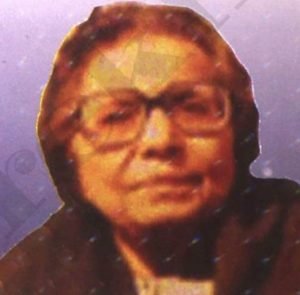
 Shakeela Akhtar (1916-1986), born in Gaya, Bihar, was a prominent Urdu fiction writer celebrated for her profound contributions to modern literature. Emerging from the culturally rich environment of Bihar, she became a distinguished voice in a traditionally male-dominated field, crafting intricate narratives that explored the depths of human emotion and societal complexities. Her storytelling was deeply rooted in the social realities of her time, offering a powerful reflection of the human condition.
Shakeela’s literary career was significantly influenced by her husband, Akhtar Urainvi, a noted Urdu critic. This intellectual partnership helped her hone her craft and navigate the literary world, where she was known simply as “Shakeela.” She masterfully used the short story form to present a realistic and empathetic portrayal of her characters, often focusing on the lives of women, the struggles of the marginalised, and the moral dilemmas of society.
Among her most significant works is the short story collection Lahu Ke Mol (1976), which earned her the prestigious Bihar Urdu Akademi Award. This work is celebrated for its powerful critique of human greed and the resulting social and emotional decay. Her other notable collections include Tinke Ka Sahara (1975), which explores themes of resilience and hope amidst adversity, and Aakhri Salam (1986), a poignant reflection on memory and the passage of time. The collection Dayin Aur Doosre Afsane is particularly noted for its courageous social commentary, with the title story “Dayin” challenging superstition and the persecution of women in rural society.
Her literary style is a hallmark of psychological realism, where she combined a traditional narrative approach with a keen insight into the inner lives of her characters. Her fiction was not merely a form of entertainment but a mirror to the social and political landscape of post-Independence Bihar. She meticulously wove the struggles of a society in transition into her narratives, making her work both timeless and historically significant.
Shakeela Akhtar’s legacy extends beyond her compelling stories. She is remembered as a champion of the Urdu language, using her platform to demonstrate its vibrancy and power as a literary medium. Her work continues to inspire new generations, with her stories remaining influential through their publication in anthologies and scholarly analyses. The preservation of her work by academics like Qamar Jahan, who wrote a dedicated monograph on her, ensures that her voice and her empathetic vision of humanity continue to be studied and appreciated, solidifying her place as a luminary of Urdu literature.